
Ketones
Your liver turns fat into Ketones, which work as fuel, and that happens when carbs run low. Type in a number from a urine strip, a blood meter or a breath meter, and read what the result means.
Our ranges draw on 10 studies and clinical guidelines we cite, among them the ADA 2024 consensus, plus ISPAD 2022. How we check
Blood ketones, measured in mmol/L
Urine strip pad reading, in mg/dL
- 0
- 5
- 15
- 40
- 80
- 160
Pregnancy, insulin, SGLT2 medicines or type 1 diabetes
When your blood reading reaches 1.5 mmol/L or more, contact your care team. Seek urgent care when the result is 3 mmol/L or more and you have high glucose, nausea, vomiting or belly pain.
Chart of ketone levels
| Blood ketones (mmol/L) | Stage | Urine strip | Breath (ppm) |
|---|---|---|---|
| 0–0.3 | Not in ketosis | Negative | 0–2 |
| 0.3–0.5 | Light ketosis | Trace, 5 mg/dL | 2–5 |
| 0.5–1 | Light nutritional ketosis | Small, 15 mg/dL | 5–10 |
| 1–2.5 | Nutritional ketosis | Moderate, 40 mg/dL | 10–40 |
| 2.5–3 | Deep ketosis | Large, 80 mg/dL | 20–40 |
| 3 or more | High ketones | Very large, 160 mg/dL | 40 or more |
How to test ketones
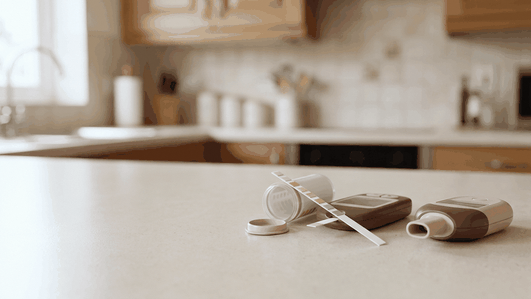
On 1 Nov 2026, we checked prices at the manufacturers' own shops.
Using a sensor instead? Have a look at the continuous ketone monitor.
Ketones vs ketosis vs ketoacidosis
| Term | What it means | Blood ketones |
|---|---|---|
| Ketones | The molecules: beta-hydroxybutyrate (BHB), acetoacetate and acetone. | Under 0.3 mmol/L most of the day |
| Ketosis | Your body burns fat for fuel, and blood ketones sit above the line. | 0.5 to 3 mmol/L |
| Ketoacidosis | High ketones with high glucose: an emergency, mostly in type 1 diabetes. | 3 mmol/L or more, glucose over 250 mg/dL |
Guides on ketosis
 Ketone levels chart compare Blood, urine and breath readings, with each range explained.
 What a Blood meter usually reads between 12 and 72 hours into a fast: Ketone levels while fasting.
 Ketones in urine What each strip colour means in mg/dL, running from negative to large.
 Ketosis symptoms The usual signs of ketosis, when they turn up, and why reading a meter beats guessing.
 Ketone drink guide Esters, diol and salt drinks side by side, measured in grams of ketones and in price for each gram.
 What kicks you out of ketosis The Net carbs of common foods and drinks, and a keto verdict.